
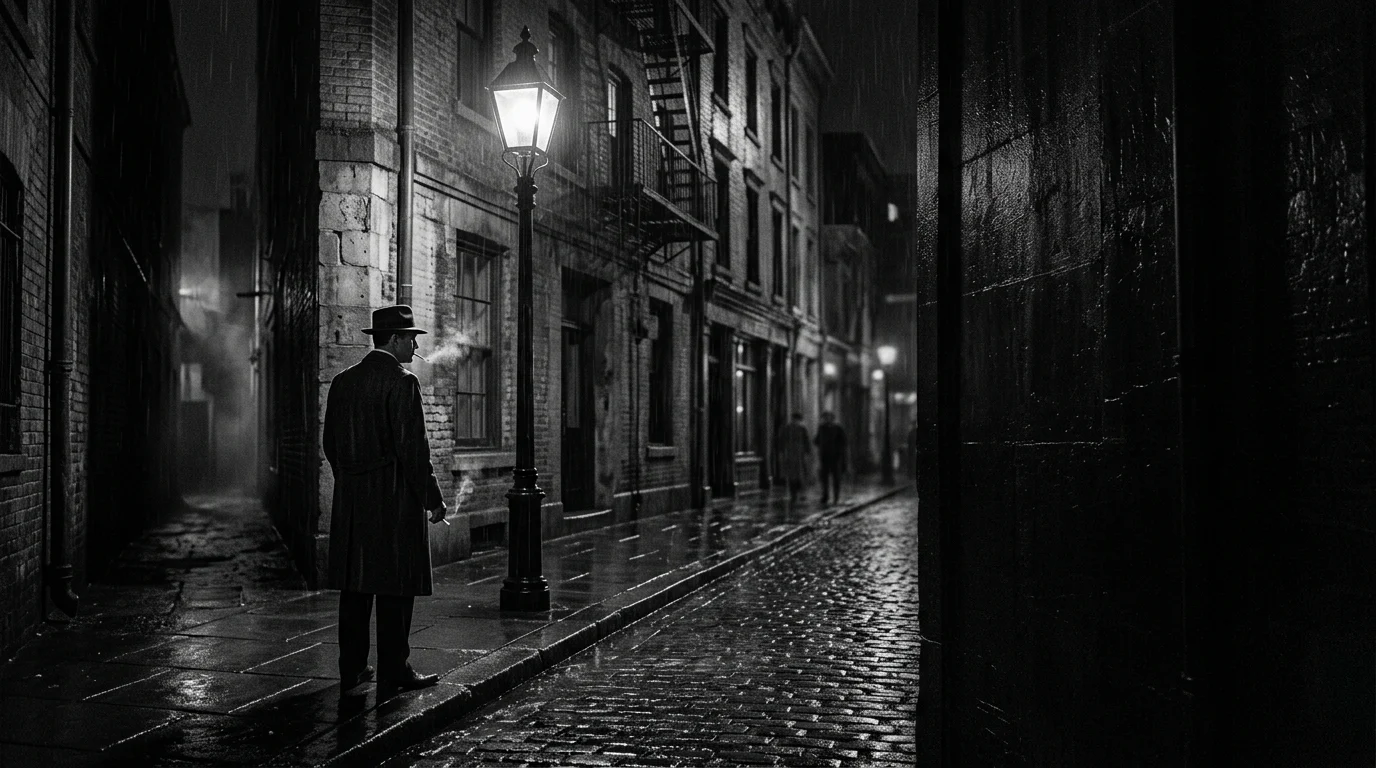

You may have seen someone describe a movie as “noir,” call an outfit “noir aesthetic,” or mention “film noir” in an online discussion. The noir meaning is usually straightforward: it refers to something dark, mysterious, or stylistically influenced by the classic noir genre. Depending on the conversation, it can describe films, books, photography, fashion, visual styles, or simply the French word for “black.” Understanding the context helps you know exactly what the speaker means. Here’s everything you need to know about the term, its different uses, and when to use it yourself.
What Does Noir Mean?
The most common noir meaning is a style or genre characterized by dark themes, moral ambiguity, suspense, and dramatic visual elements. The word comes from French, where noir simply means black.
| Detail | Explanation |
|---|---|
| Most Common Meaning | A dark, moody style or genre |
| Full Form | None (French word meaning “black”) |
| Tone | Neutral, descriptive, artistic |
| Common Contexts | Movies, books, photography, fashion, online discussions |
| Formal or Informal | Used in both casual and formal contexts |
When someone uses “noir,” they are often referring to an atmosphere rather than just a color.
The Main Meaning of Noir
The word noir is not an acronym and has no expanded full form. It is borrowed directly from French, where it means “black.
In English, the term became widely recognized through film noir, a category of crime dramas known for shadowy cinematography, morally complex characters, detectives, crime, and psychological tension. Over time, the meaning expanded beyond movies.
Today, you might hear “noir” used to describe:
- A detective novel with a dark atmosphere
- A stylish black-and-white photograph
- Clothing with an elegant dark aesthetic
- Artwork featuring moody lighting
- A story centered on crime, betrayal, or mystery
Example:
“That movie has a real noir feel.”
This means the movie has dark visuals, suspenseful storytelling, morally complicated characters, or a mysterious atmosphere rather than simply being filmed in black and white.
Alternative Meanings of Noir
Although the artistic meaning is the most common, noir has several legitimate uses depending on the context.
| Meaning | Context | Tone | Example |
| Dark artistic style | Movies, books, photography | Neutral | “It’s a noir detective story.” |
| Black (French) | Language, fashion, design | Neutral | “The dress comes in noir.” |
| Noir aesthetic | Social media, fashion, art | Stylish | “I’m going for a noir vibe.” |
These meanings are closely related because they all connect to darkness, whether literally or stylistically.
How Context Changes the Meaning
Context makes a big difference when interpreting the word “noir.”
If someone says:
“I love noir novels.”
They almost certainly mean crime fiction with dark themes.
If someone says:
“I’ll order the noir version.”
They may simply mean the black-colored version of a product.
If a creator posts:
“Noir aesthetic ✨🖤”
They are usually referring to a visual style featuring black clothing, dramatic lighting, vintage influences, or moody imagery.
Another example:
“This game has a noir atmosphere.”
Here, “noir” describes the mood, storytelling, and visual design rather than the gameplay itself.
Looking at nearby words, emojis, and the overall conversation usually makes the intended meaning obvious.
Noir Meaning on Different Platforms
The meaning stays fairly consistent across platforms, although the emphasis changes.
Text Messages and Chats
People usually use “noir” to describe movies, books, fashion, or artistic styles.
Example:
“That show is so noir.”
The speaker means the show has a dark or mysterious tone.
TikTok and Instagram
On visual platforms, noir often refers to an aesthetic featuring black outfits, cinematic lighting, vintage fashion, monochrome editing, or dramatic photography.
Example:
“Trying a noir-inspired photoshoot tonight.”
The focus is on style and visual presentation.
Reddit and Movie Communities
Film discussions frequently use “noir” to classify movies, TV series, books, or video games influenced by classic detective stories and crime dramas.
Example:
“Can anyone recommend modern noir films?”
Here, the genre is the main focus rather than color.
Real Conversation Examples
Person A: “What kind of movie is it?”
Person B: “It’s a noir detective film.”
Meaning: A dark crime story with mystery and suspense.
Person A: “Why is your feed all black and white?”
Person B: “I’m trying a noir aesthetic.”
Meaning: They’re intentionally creating a moody artistic style.
Person A: “Which jacket should I buy?”
Person B: “The noir one looks more elegant.”
Meaning: They simply mean the black-colored jacket.
Tone and Emotional Meaning
“Noir” is generally a neutral descriptive word rather than slang with emotional intent. However, the tone changes depending on how it’s used.
Is Noir Rude?
No. The term is not considered rude or offensive.
Is Noir Funny?
Not usually. It is mainly descriptive, although people sometimes use it humorously to exaggerate how dramatic or gloomy something feels.
For example:
“Monday morning has serious noir energy.”
This playfully compares an ordinary situation to a dramatic crime movie.
Is Noir Offensive?
No. The word itself is not offensive. Since it literally means “black” in French, it should not be confused with discussions about race or identity unless the conversation specifically relates to those topics.
How to Reply When Someone Uses “Noir”
Your response depends on how the word is being used.
Friendly Replies
- “I know exactly what you mean.”
- “That style looks really cool.”
- “I love that atmosphere.”
- “It definitely has a mysterious vibe.”
Polite Replies
- “Could you recommend one?”
- “What makes it feel noir to you?”
- “I’ve been meaning to watch something like that.”
- “That’s an interesting description.”
Replies When You’re Confused
- “Do you mean the movie genre or the color?”
- “Are you talking about the aesthetic?”
- “Could you explain what you mean by noir?”
When to Use the Term
“Noir” works well when discussing:
- Movies and television
- Detective novels
- Crime fiction
- Photography
- Fashion
- Graphic design
- Video games with dark storytelling
- Social media aesthetics
It’s especially useful when “dark” alone doesn’t fully capture the mysterious, cinematic feeling you’re describing.
When to Avoid the Term
Choose clearer wording if your audience may not recognize the term.
Avoid relying on “noir” in:
- Professional business emails
- Academic writing for beginners without explanation
- Customer instructions
- Formal announcements
- Situations where “black” or “dark” would be more precise
Using familiar language can prevent confusion when the artistic meaning isn’t obvious.
Common Mistakes
| Common Mistake | Correct Understanding |
| Thinking noir is internet slang | It’s primarily a French word and an established artistic term. |
| Assuming it only refers to black-and-white movies | Noir can describe modern color films and many artistic styles. |
| Believing it always means the color black | It often refers to mood, storytelling, or visual style instead. |
Similar Terms
| Term | Meaning | Main Difference |
| Film noir | Classic crime film genre | Specific movie category |
| Neo-noir | Modern take on noir | Contemporary interpretation |
| Gothic | Dark, mysterious style | More focused on horror and the supernatural |
| Thriller | Suspense-focused story | Doesn’t necessarily include noir themes |
| Monochrome | Single-color visual style | Refers to color, not storytelling or mood |
Origin and Popularity
The word noir comes directly from French, where it means “black.” English speakers adopted it most famously through the phrase film noir, used to describe a style of crime films recognized for shadowy visuals, complex characters, and morally ambiguous stories.
Its broader use in fashion, photography, literature, gaming, and social media developed gradually as people began applying “noir” to other dark, cinematic, or mysterious aesthetics. While the exact timeline for every modern usage varies, the core meaning has remained consistent.
Quick Recap
- Noir is a French word meaning “black.”
- It most commonly describes a dark, mysterious artistic style.
- The term is widely used for movies, books, photography, fashion, and aesthetics.
- Context determines whether it refers to a genre, an aesthetic, or simply the color black.
- If you’re unsure, asking for clarification is perfectly appropriate.
Frequently Asked Questions
What does noir mean in text?
It usually describes something dark, mysterious, or stylistically inspired by the noir genre rather than functioning as internet slang.
What does noir stand for?
Noir is not an abbreviation and is simply the French word meaning “black.”
What does noir mean on TikTok?
It commonly refers to a dark visual aesthetic featuring cinematic lighting, monochrome colors, or vintage-inspired styling.
Is noir rude?
No, the term is a neutral descriptive word that is not generally considered rude or offensive.
Can noir have different meanings?
Yes, it can describe a color, an artistic style, or a specific storytelling genre depending on context.
Final Thoughts
The noir meaning goes beyond the simple French definition of “black.” In most English conversations, it refers to a dark, atmospheric style associated with mystery, crime, dramatic visuals, or sophisticated aesthetics. Whether you’re discussing classic detective films, modern fashion, photography, or social media trends, context tells you which meaning is intended. Once you recognize that connection between darkness and mood, you’ll find the word much easier to understand and use naturally in everyday conversations.






Pingback: YN Meaning Slang | Y/N Meaning |The Guide to Understanding This Viral Term
Pingback: PTSO Meaning | What Does PTSO Mean in Slang?