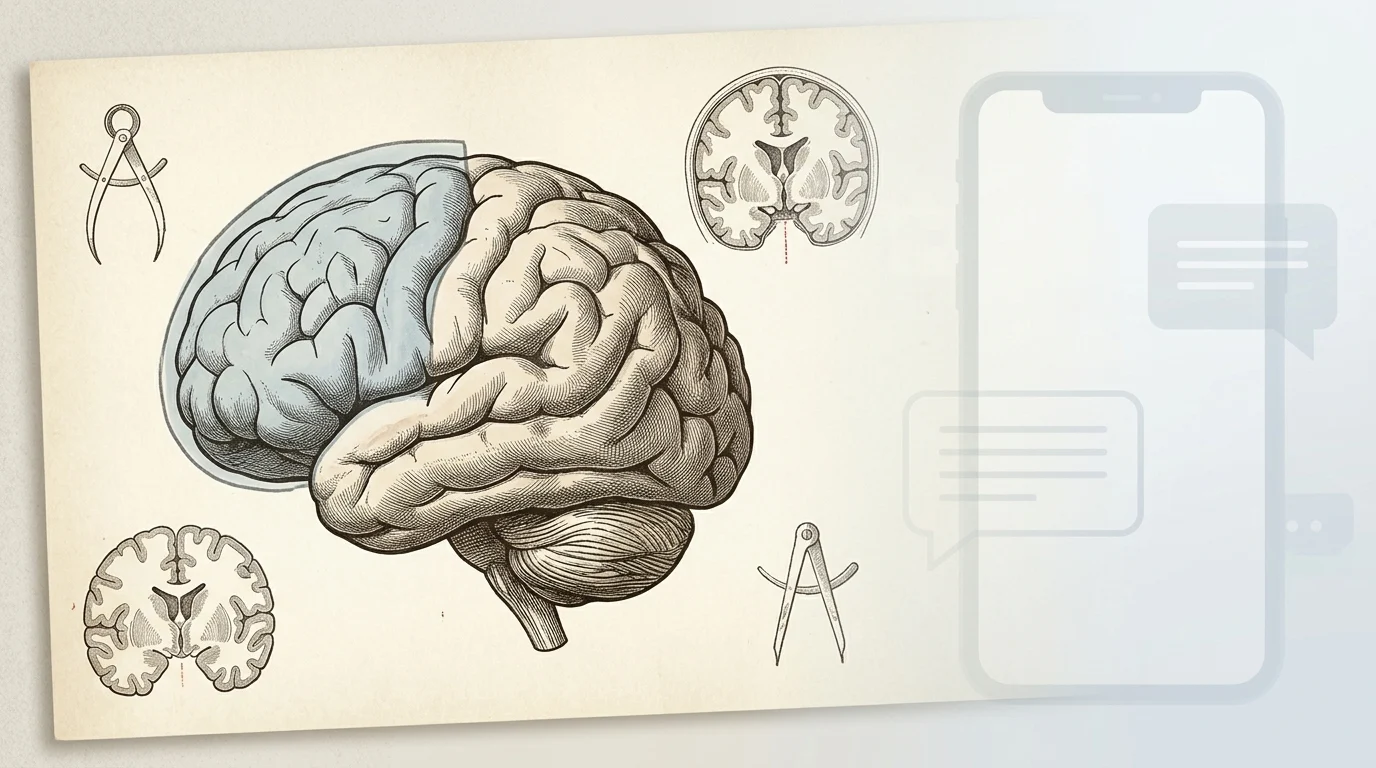

Imagine seeing someone comment, “That game just gave me a lobotomy,” and wondering why a serious medical term is being used like a joke. The lobotomy meaning is rooted in medical history: a lobotomy was a brain surgery once used to treat certain severe psychiatric conditions. In modern online conversations, however, people may use “lobotomy” figuratively to describe feeling mentally dulled, confused, overwhelmed, or unable to think clearly. Context matters because the literal medical meaning and the joking slang meaning are very different. Understanding both helps you interpret the word correctly in texts, memes, comments, gaming chats, and everyday conversation.
What Does Lobotomy Mean?
The most common meaning of lobotomy is a historical surgical procedure that involved intentionally disrupting connections in the brain, particularly those involving the frontal lobes. It was once used as a treatment for certain severe mental illnesses but is no longer an accepted routine treatment. In casual internet language, “lobotomy” can also be used figuratively to suggest that something has made a person feel mentally blank or less capable of thinking.
| Detail | Explanation |
|---|---|
| Most common meaning | A historical brain surgery that disrupted connections in the frontal lobes |
| Slang meaning | Figurative description of feeling mentally numb, confused, or intellectually impaired |
| Tone | Serious in medical contexts; often joking, exaggerated, or sarcastic online |
| Formal or informal | The medical term is formal; figurative use is informal |
The Main Lobotomy Meaning Explained
Historically, a lobotomy was a psychosurgical procedure intended to alter brain function by disrupting pathways connecting parts of the frontal lobes with other brain regions. Different techniques were developed, and the procedure became associated with attempts to manage severe psychiatric symptoms.
The word does not have a full form because “lobotomy” is a medical term rather than an acronym.
Today, the word is most likely to appear in two very different contexts. In a historical, medical, or educational discussion, it refers to the actual procedure. In memes, social media posts, or casual speech, it can be hyperbolic shorthand for an experience that supposedly “destroyed” someone’s ability to think.
For example:
“I watched that movie three times and now I need a lobotomy.”
Here, the speaker almost certainly does not mean an actual medical procedure. They are joking that the movie was so confusing, repetitive, or mentally exhausting that they feel incapable of thinking clearly.
Why People Use It as Slang
The figurative use comes from the word’s association with changes to mental functioning. Someone might jokingly say a difficult exam “gave me a lobotomy,” meaning the exam left them mentally exhausted.
Similarly, a person might describe an absurd internet trend as “lobotomy content” to suggest that consuming it feels deliberately brain-numbing or intellectually empty.
This is hyperbole, not a medical statement.
How Context Changes the Meaning
The surrounding conversation usually makes the intended meaning clear.
- Medical context: “Doctors historically performed lobotomies on some psychiatric patients.”
Here, the word has its literal historical meaning. - After an exhausting exam: “That final exam gave me a lobotomy.”
The speaker is using exaggeration to describe mental exhaustion. - After watching absurd videos: “I spent two hours watching lobotomy memes.”
The phrase refers to intentionally silly, mind-numbing, or absurd content. - In a historical discussion: “Why did lobotomy become controversial?”
This clearly concerns the medical procedure rather than slang.
Capitalization generally does not change the meaning because “lobotomy” is normally written as an ordinary noun. Emojis and punctuation can, however, signal whether the speaker is joking. A laughing emoji or exaggerated wording often points toward figurative use.
The relationship between speakers matters too. A close friend might use the word casually, while using it toward an unfamiliar person could sound insensitive or confusing.
Lobotomy Meaning in Text and Online Chats
In text messages, the word may refer either to the historical procedure or to a joking idea of becoming mentally impaired.
For example:
Friend: “How was your physics test?”
You: “Bro, that test gave me a lobotomy 😭”
The word is being used figuratively. The speaker means the test left them mentally exhausted or unable to process anything.
Online, the term can also describe content that is intentionally absurd, repetitive, low-effort, or “brain-rotting.” The exact implication varies with the community and the sentence.
Lobotomy on TikTok, Instagram, and Other Social Platforms
On short-form social media, “lobotomy” is often more likely to be figurative than literal when it appears in memes or humorous captions. Someone might describe an especially bizarre video as “lobotomy content” or say that watching a particular clip “gave me a lobotomy.”
The same general idea can appear on TikTok, Instagram, Reddit, Discord, Snapchat, and group chats. There is no universal platform-specific definition that replaces the standard meaning.
In educational or historical posts, however, the literal medical meaning remains unchanged.
Real Conversation Examples
1: Friends
Person A: “Why are you staring at the wall?”
Person B: “I just finished studying for six hours. I think I need a lobotomy.”
Meaning: Person B is joking that studying has left them mentally exhausted.
2: Group Chat
Person A: “Did you see that video where the guy tried to cook cereal?”
Person B: “That was pure lobotomy content.”
Meaning: Person B is humorously describing the video as absurd or mind-numbing.
3: Historical Discussion
Person A: “What was a lobotomy used for?”
Person B: “It was a historical form of psychosurgery intended to alter brain function.”
Meaning: The term is being used literally, not as slang.
Is Lobotomy Rude or Offensive?
The word itself is not inherently rude. Its tone depends heavily on how it is being used.
In medical or historical writing, lobotomy is a neutral technical term. In casual online language, it is usually exaggerated or humorous.
However, figurative use can feel insensitive when discussing real people, neurological conditions, mental illness, brain injury, or serious medical experiences. Calling someone “lobotomized” as an insult can also be disrespectful.
A good rule is to consider whether the joke trivializes a serious medical subject or targets another person’s actual condition.
How to Reply to “Lobotomy”
Your response should match the context.
Friendly or Funny Replies
- “Honestly, same.”
- “That bad?”
- “You survived, though.”
- “Yeah, my brain has officially logged off.”
- “We need to get you some sleep.”
Replies When You Are Confused
If you cannot tell whether the person means the medical term or slang, ask directly:
- “Do you mean that literally or as a joke?”
- “Wait, what happened?”
- “What do you mean by ‘lobotomy’ here?”
These replies work because they clarify the speaker’s intention without assuming what they meant.
When to Use the Term
The figurative version is generally best reserved for casual conversations with people who understand your sense of humor. It can work in memes, group chats, gaming communities, or conversations among friends when everyone understands that the wording is exaggerated.
The literal term is appropriate in historical, educational, medical, or academic discussions when discussing the actual procedure.
Context should guide your choice. If there is a chance someone could interpret the statement as a genuine medical claim, clearer wording is usually better.
When to Avoid the Term
Avoid figurative “lobotomy” jokes in professional emails, job applications, academic assignments, client communication, and formal announcements.
You should also be careful in sensitive conversations involving mental health, neurological disorders, brain injuries, or someone discussing a real medical experience. A joke that seems harmless among friends can sound dismissive in a different setting.
That does not mean the word itself is forbidden. It simply means the audience and subject matter matter.
Common Mistakes About Lobotomy
| Common Mistake | Correct Understanding |
| Assuming every use refers to surgery | Online speakers often use it figuratively to describe mental exhaustion or absurd content |
| Treating the slang meaning as medical fact | Figurative statements such as “this gave me a lobotomy” are usually exaggerations |
| Assuming it has a full form | “Lobotomy” is a word, not an acronym with a standard full form |
Another common mistake is assuming that every use is automatically offensive. The historical procedure is a legitimate subject of medical and historical discussion, while the slang version requires more attention to tone and audience.
Similar Slang Terms
Several informal expressions can communicate a similar idea without referring specifically to lobotomy.
| Term | Meaning | Main Difference |
| Brain rot | Consuming or engaging with content considered mentally numbing or low-value | More commonly describes content or habits |
| Brain-dead | Figuratively unable to think or respond effectively | Can sound much harsher or more insulting |
| Fried | Extremely mentally exhausted or overwhelmed | Usually emphasizes exhaustion |
| Zoned out | Temporarily inattentive or mentally disconnected | Less extreme and often more literal |
| Mind-numbing | Extremely boring, repetitive, or mentally dull | Can be used without the medical reference |
These expressions are not exact synonyms. “Brain rot,” for example, often describes a person’s media consumption or a type of content, whereas “lobotomy” can be used more broadly as a humorous exaggeration.
Origin and Historical Context
The term lobotomy comes from medical terminology associated with the brain’s lobes and a surgical incision or cutting procedure. The operation became particularly associated with psychosurgery during the 20th century.
Different forms of the procedure were developed and used for certain severe psychiatric conditions, but its history is controversial because of the serious and sometimes permanent effects associated with it. Modern medicine does not use historical lobotomy procedures as a routine treatment for mental illness.
Because the historical subject is serious, modern joking use should not be confused with the actual medical practice.
Quick Recap
- Lobotomy primarily refers to a historical brain surgery that disrupted connections involving the frontal lobes.
- In casual online language, it can jokingly describe feeling mentally exhausted, confused, or intellectually overwhelmed.
- “Lobotomy” is not an acronym, so there is no standard full form.
- Context determines whether the word is medical, historical, humorous, or sarcastic.
- Use the figurative meaning carefully around sensitive medical or mental-health discussions.
Frequently Asked Questions
What does lobotomy mean in text?
In casual text, lobotomy often humorously means feeling mentally exhausted, confused, overwhelmed, or unable to think clearly.
Is lobotomy rude?
The word is neutral medically, but joking about lobotomy can seem insensitive when discussing serious health conditions or personal experiences.
What does lobotomy mean on TikTok?
On TikTok, lobotomy can jokingly describe bizarre, repetitive, absurd, or mentally numbing content rather than actual surgery.
How should you reply to lobotomy?
Match the context with a humorous response for friends or ask for clarification if you cannot tell what they mean.
Can lobotomy have different meanings?
Yes, lobotomy can refer literally to historical psychosurgery or figuratively to mental exhaustion, absurdity, or brain-numbing experiences.
Final Thoughts
The lobotomy meaning changes significantly depending on context. Literally, it refers to a historical form of psychosurgery; in casual internet language, it is often an exaggerated way to describe feeling mentally exhausted, confused, or overwhelmed. The distinction is usually clear from the surrounding conversation, especially when emojis, jokes, or meme-style wording are involved. If you’re using the word yourself, keep your audience and subject matter in mind. Casual slang can work among friends, while medical, academic, and sensitive conversations call for more precise language.
Discover More Post:
Proscribed Meaning | Definition, Examples, and Proper Usage
Javert Meaning | Definition, Origin, and Why People Use It
Noir Meaning | What It Means, Origins, and How It’s Used